Manufacturing has transformed dramatically over the past decade. Smarter facilities, connected operations, and technology continue to reshape how work gets done on the production floor.
Yet, employees are often directed to different systems, departments, or contacts to get help. Whether they need to complete onboarding tasks, report a safety concern, request equipment, update personal information, or find an HR policy, employees are spending valuable time figuring out where to go for answers.
Unlike office employees, deskless workers move between production lines, warehouses, facilities, and shifts. Accessing employee services has to fit naturally into the way they work, not require them to stop what they’re doing to navigate multiple systems or track down the right department.
The challenge isn’t that organizations lack technology. It’s that employee services have traditionally been organized around internal functions: HR manages onboarding and employee relations, IT handles access and devices, Facilities manages workspaces and equipment, Safety oversees training and compliance, Payroll answers compensation questions.
Each team may have effective processes, but employees experience them as separate destinations. Every request becomes another decision about where to go next, and these disconnected experiences create friction throughout the employee lifecycle.
- A new hire may wait for equipment, system access, safety training, and approvals from multiple teams before they’re ready to contribute.
- An experienced employee may spend more time searching for the right resource than solving the issue that prompted the request.
- Managers often become the default point of contact simply because employees don’t know where else to turn.
While each delay may seem small, together they slow workforce readiness, increase administrative effort, and take employees away from the work that matters most.
The organizations making the greatest progress aren’t simply adding more technology or creating more portals. They’re rethinking how employees access support.
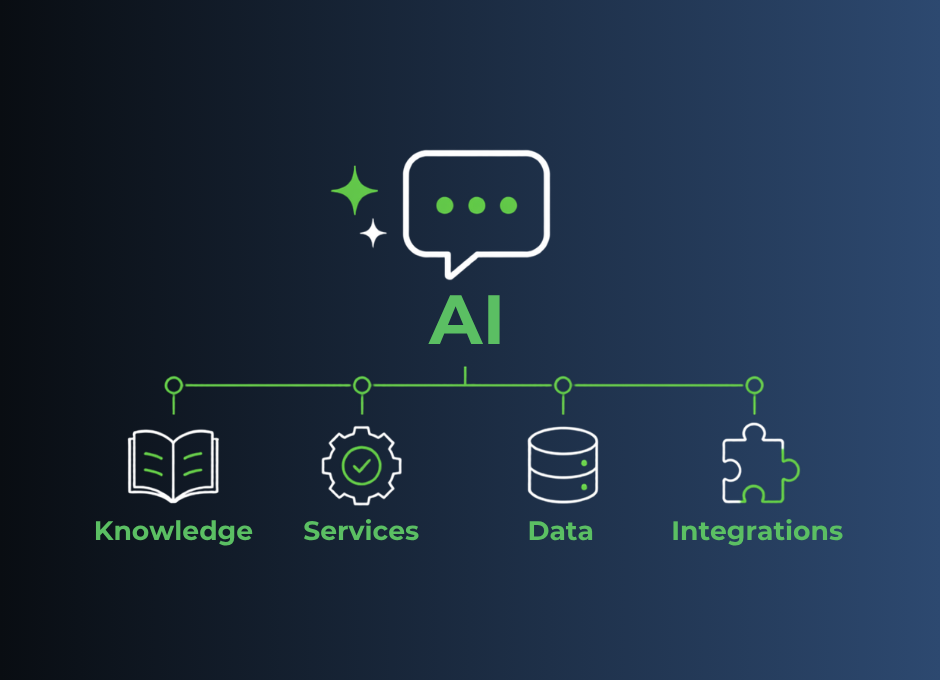
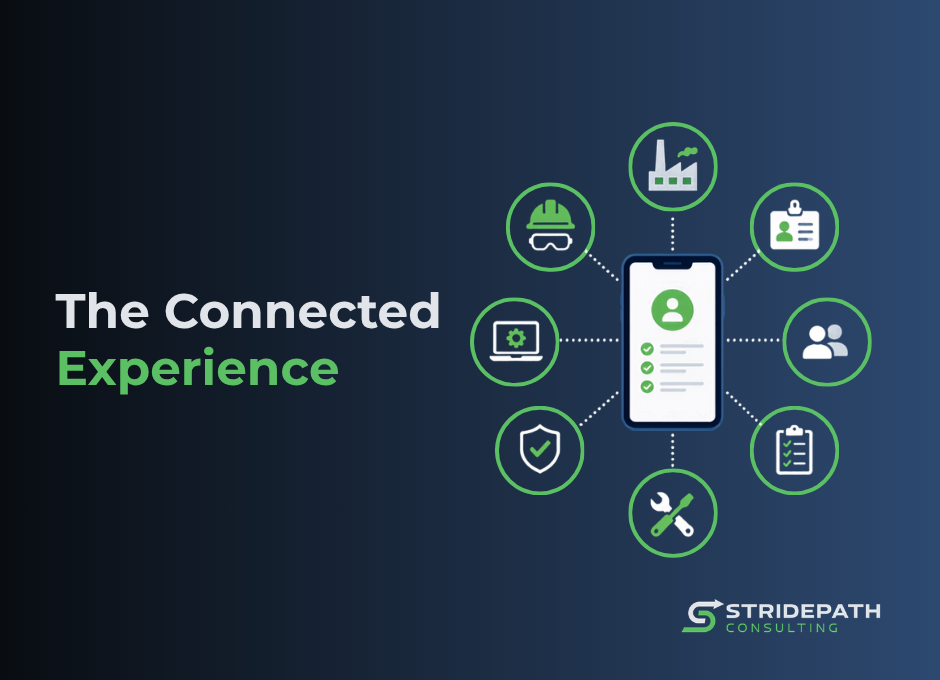
Instead of asking employees to navigate organizational structures, they’re creating connected experiences that bring services together behind a single destination. Employees can get the information, support, and services they need without having to understand which department owns the process.
For manufacturers, this approach doesn’t just improve the employee experience. It helps employees become productive faster, reduces administrative burden across support teams, and creates a stronger foundation for a connected workforce.
As manufacturing continues to evolve, employee services need to evolve with it.
Creating a connected workforce starts with making it easier for employees to get the help they need: wherever they work, whenever they need it.
For more information or to schedule a call with our team, drop a note to [email protected]!