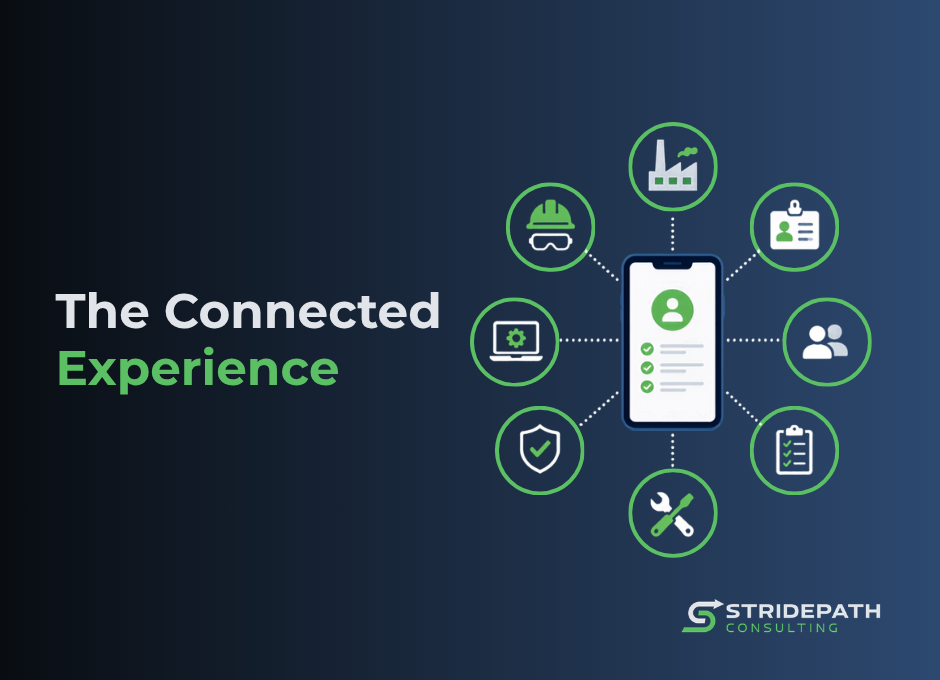
As federal agencies evaluate and transition to new Human Capital Management (HCM) systems, many are facing a reality the roadmap doesn’t show: Phased deployments create months, and sometimes years, of fragmented experiences for employees. HR staff toggle between legacy and modern systems, employees are unsure where to go for what, and service teams are left absorbing the friction technology was meant to eliminate.
How are agencies navigating this reality? Many are making this transition invisible to their workforce by using ServiceNow as a unified front door across their HCM transformation.
Here are some key takeaways from the recent fireside chat with Stridepath, ServiceNow, and Carahsoft.
- Modernization alone doesn’t fix the experience: HCM platforms (such as Workday, Oracle, SAP, etc.) are built for data, compliance, and transactions. Improving the employee experience requires rethinking how people actually access support and get work done.
- Fragmentation needs to be actively managed during transformation: Phased rollouts mean legacy and modern systems coexist. Without a clear experience layer, employees are left navigating the gaps.
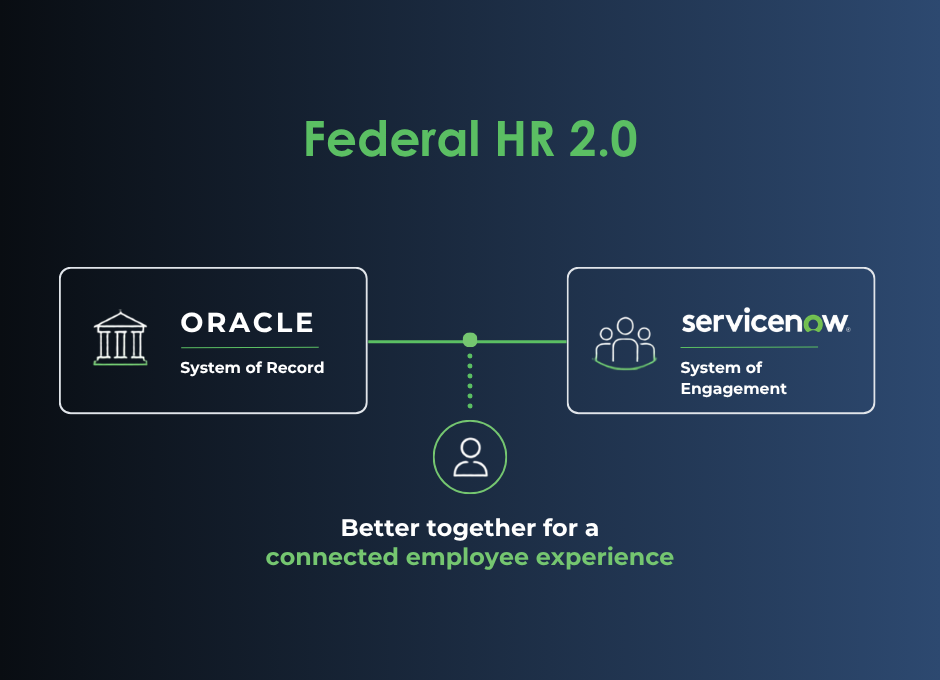
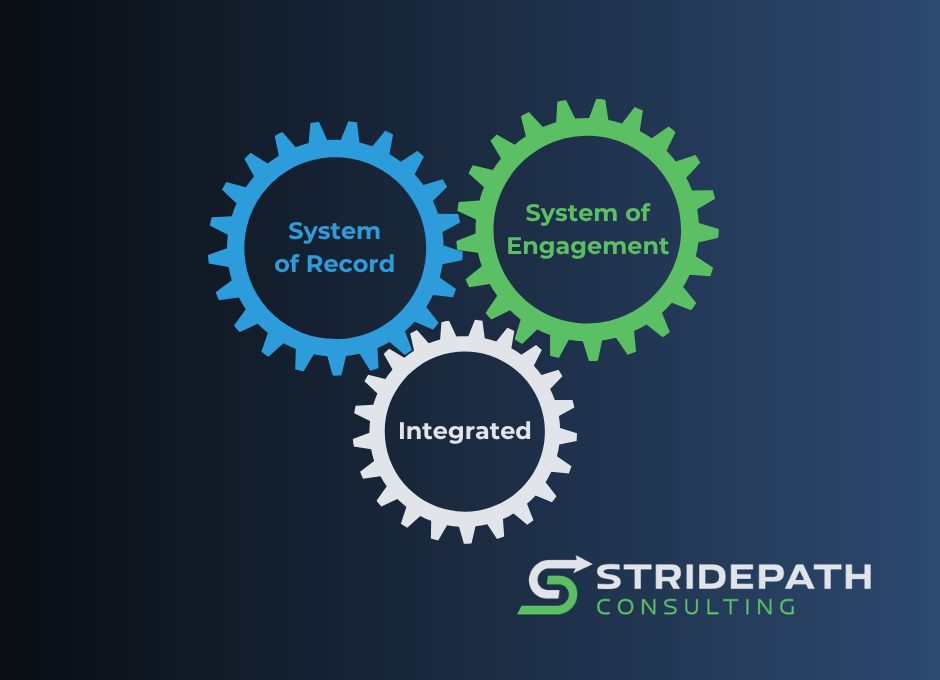
- A system of record is not a system of engagement: HCM handles transactions. The experience layer meets employees where they are and simplifies how work gets done.
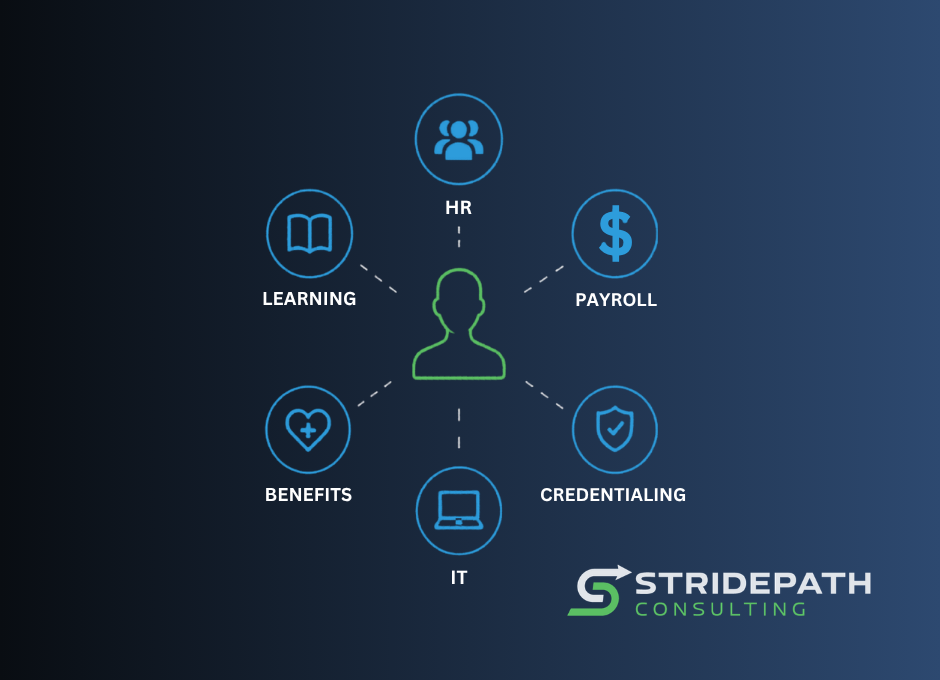
- Most employee needs don’t stay within HR: Onboarding, leave, and workforce changes span multiple departments. Connecting these processes is what turns systems into a unified experience.
- Addressing the experience early reduces disruption: Transformation introduces complexity. A consistent front-end experience helps maintain continuity, reduce confusion, and support adoption.
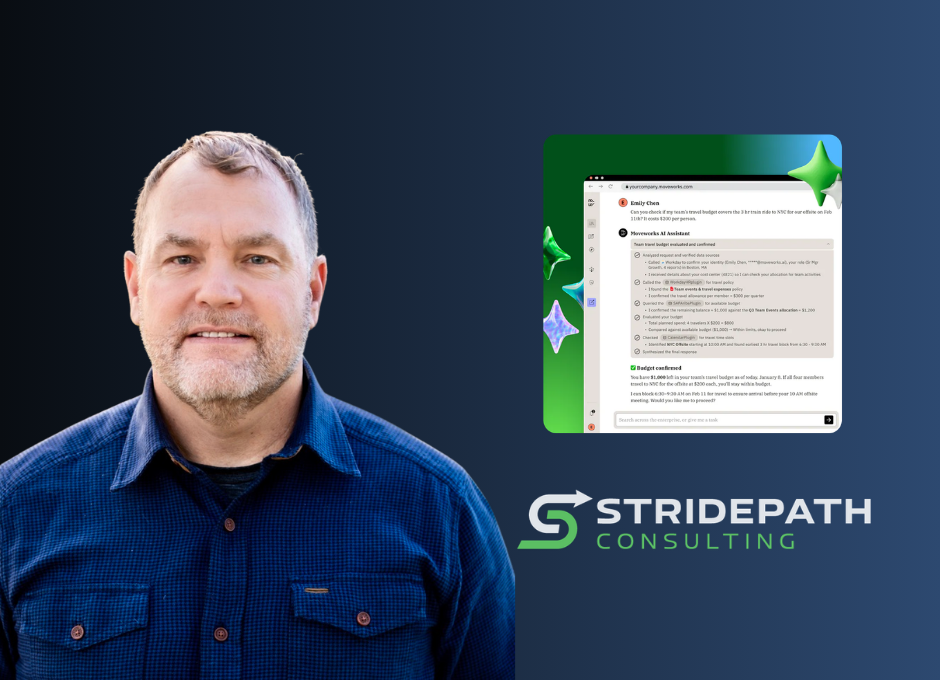
- AI depends on the right foundation: Clean data and connected workflows matter more than the AI itself. That foundation is what enables AI to take action, not just provide information.
HCM modernization is a necessary and pressing reality for federal agencies, but it’s only part of the equation.
The focus is shifting from:
systems → experiences
information → action
The agencies making the most progress are the ones designing for both from the start.
To hear the full discussion, watch the fireside chat below.