Over the next three to five years, HR Service centers will undergo a seismic transformation: one where humans no longer provide fulfillment services. Instead, AI will serve as the primary engine for case resolution, knowledge delivery, and transactional processing. As organizations increasingly look to improve employee experience while reducing costs, AI-driven service models will make the traditional HR Service center obsolete, turning service delivery into a proactive, intelligent, and frictionless experience. Employees won’t “call” for help; they’ll simply state their need, and AI will resolve it instantly.
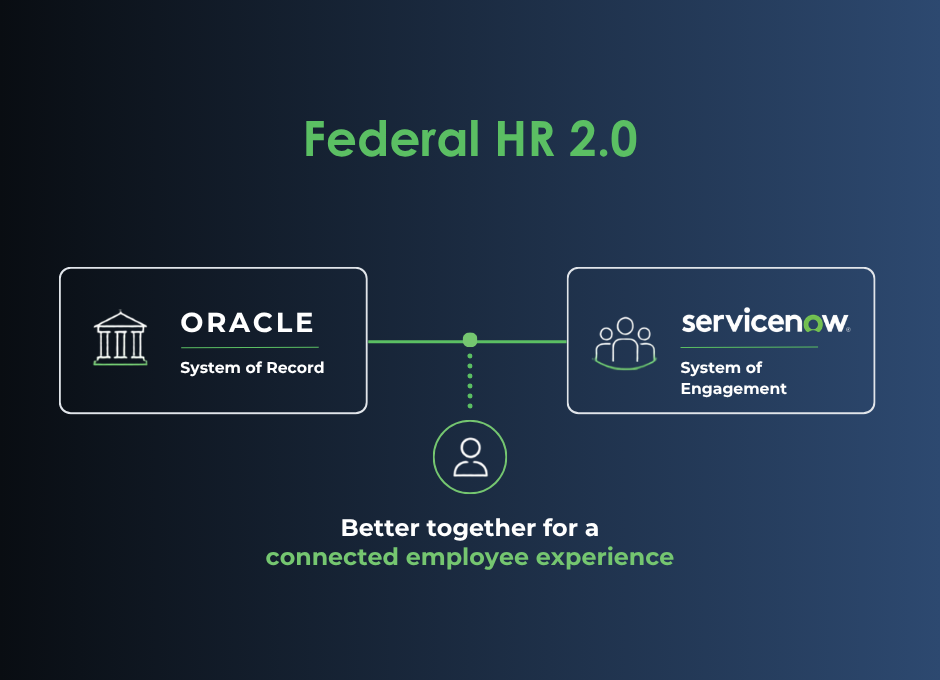
The technology foundation enabling this shift is ServiceNow HR Service Delivery (HRSD). Acting as the platform of record, HRSD structures and standardizes employee service management so that AI can effectively interpret requests, route them, and fulfill them without human intervention. With its unified data model, knowledge management capabilities, and digital workflows, ServiceNow HRSD ensures AI operates not in isolation but as an orchestrator across policies, processes, and systems. This platform-level intelligence is what transforms AI from being a “chatbot” into a true fulfillment engine.
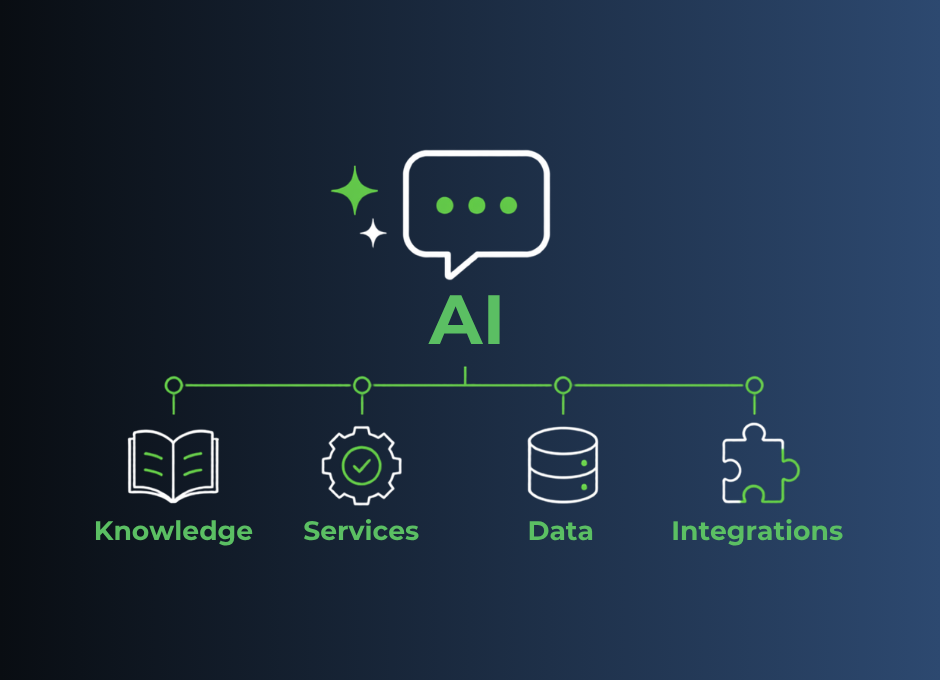
For AI fulfillment models to succeed, certain core dependencies must be in place within HRSD. Accurate and dynamic knowledge bases must provide the right answers; clean, normalized employee data must flow seamlessly across HR systems of record; and workflows must be designed for automation, not just escalation. In other words, AI effectiveness will depend less on the brilliance of the algorithm and more on the readiness of the organization’s HR service framework. Without strong governance of knowledge, processes, and data, AI risks becoming a frustrating barrier rather than a productivity accelerator.
When executed correctly, AI fulfillment will redefine the scope of HR services. Instead of fielding routine requests (like policy clarifications, benefits inquiries, or status checks), AI will manage them autonomously. Human HR teams will be redeployed to higher-value strategic work: employee relations, workforce planning, and organizational development. Services firms and internal HR operations groups will need to invest in new areas such as workflow design, AI training data, change management, and service governance to make the shift sustainable. These aren’t optional investments; they’re the enablers that transform AI potential into business reality.
The opportunity ahead is immense. HR leaders who embrace an AI-fulfilled service model will reduce operational costs, accelerate service resolution, and elevate employee experience simultaneously. But success requires a deliberate roadmap grounded in ServiceNow HRSD, a commitment to process readiness, and a willingness to reimagine the role of HR entirely. The call center era is ending. What’s coming next is faster, smarter, and deeply transformative.
Calls to Action:
- Assess the maturity of your HRSD implementation to ensure AI-readiness across knowledge, data, and workflows.
- Begin designing AI-first fulfillment models that reimagine—not replicate—your current HR Service center processes.
- Partner with a ServiceNow HRSD expert to build the governance, automation, and AI enablement capabilities your future workforce demands.
For more information or to schedule a call with our team, drop a note to [email protected]!
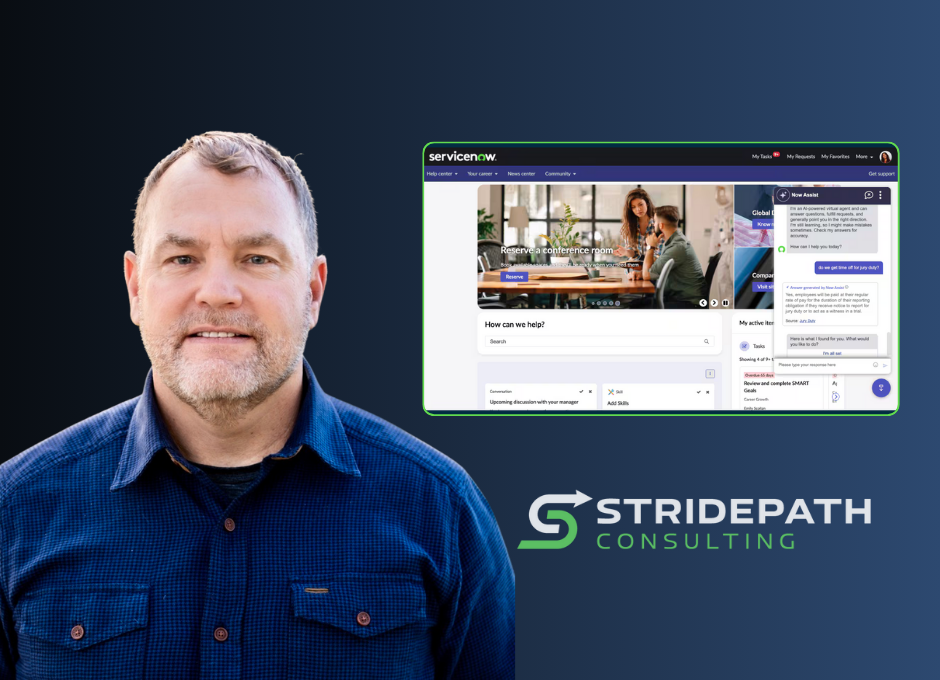
About the Author: Greg Smith is an execution focused consulting and advisory leader with over 20 years of HR Technology industry experience. His expertise and career focus includes HR systems implementations, consulting operations leadership, and strategic business planning.
Greg grew up in the United States Army Special Operations community as an Airborne Ranger Fire Team Leader and was formally educated as an accountant and an information technologist. This progression has given him a balanced approach between pragmatism and the art of the possible throughout his career.
He is passionate about helping our customers succeed, building high performing teams, playing golf, alpine mountaineering and his family.